Aqui encontrará as atividades mais recentes, publicações e artigos relacionados com o projeto.
Digital Imaging
In today’s digital age, having a strong understanding of digital imaging and the ability to process images is an essential skill. As technology continues to advance, the demand for individuals proficient in capturing and enhancing digital images is on the rise. This article focuses on the importance of learning how to take digital images of a certain quality and how to process them effectively to enhance image quality in a blended learning setting, specifically targeting adult learners.
Why Digital Image Capture and Processing?
Digital image capture and processing skills are increasingly becoming necessary across various fields and industries. From social media influencers to marketing professionals, the ability to capture visually appealing images and enhance them is essential for effective communication and engagement. Moreover, individuals interested in photography, graphic design, and visual arts can greatly benefit from mastering these skills.
Engaging in digital imaging enhances digital competencies by developing technical proficiency in operating cameras, understanding exposure settings, and utilizing image editing software. Through hands-on experience, learners gain the skills needed to navigate digital tools and equipment, strengthening their digital capabilities.
Digital imaging also cultivates visual literacy by fostering an understanding of visual language, composition, and aesthetics. Learners develop an eye for detail, analyse and interpret visual information, and appreciate the art of visual storytelling. These abilities enhance their competence in comprehending and effectively utilizing visual communication in the digital realm.
Furthermore, digital imaging promotes creative expression, allowing learners to experiment with various techniques, compositions, and editing styles. This creative outlet encourages innovative thinking, problem-solving, and the ability to convey emotions, ideas, and narratives through visually appealing images. It contributes to the development of well-rounded digital competencies.
In the context of digital communication, proficiency in digital imaging enables learners to convey messages, engage audiences, and create visually compelling content. Understanding how to capture and edit images equips individuals with the skills needed to communicate effectively on digital platforms, where visual communication plays a vital role. This competency enhances their overall digital communication skills.
Working with digital imaging also fosters critical thinking and decision-making abilities. Learners must make choices about composition, lighting, color grading, and other elements that impact the quality of an image. Through this process, they develop critical thinking skills by evaluating options, considering desired outcomes, and making informed decisions to enhance image quality. These decision-making abilities extend to other digital contexts, where individuals must make choices based on aesthetics, usability, and user experience.
Moreover, digital imaging promotes adaptability and technological fluency. As the field continuously evolves with new software, tools, and techniques, engaging with digital imaging develops learners’ ability to adapt to updates and advancements. This adaptability is an integral aspect of digital competencies, equipping individuals to embrace new technologies and tools in a fast-paced, ever-changing digital landscape.
Blended Learning: A Powerful Approach
Blended learning, which combines traditional face-to-face instruction with online learning components, provides a flexible and accessible environment for adult learners to acquire new skills. By incorporating digital image capture and processing into a blended learning setting, learners can leverage the advantages of both online resources and in-person guidance, creating an optimal learning experience.
The CICERO Training Course uses Blended Learning and enables to learn basics using the Learning Platform and to interact with the learning peers in the frame of on-site learning and training.
Digital Imaging and Capturing Images of Certain Quality
One of the primary objectives of this blended learning program is to teach adult learners how to take digital images of a certain quality. This includes understanding concepts such as composition, lighting, focus, and exposure. Through a combination of online tutorials, interactive modules, and practical assignments, learners can develop a keen eye for capturing visually compelling images. The program can cover a range of subjects, from basic smartphone photography to advanced techniques using DSLR cameras.

Taking pictures does not necessarily need a DSLR camera – you can take high-quality images and publish them with a good smartphone (If you have the background knowledge).
Enhancing Image Quality through Processing
Once the learners have captured their images, the next step is to process them effectively to enhance their quality. This involves using image editing software, such as Adobe Photoshop or Lightroom, to adjust aspects like brightness, contrast, color balance, and sharpness. Additionally, learners will be introduced to techniques like noise reduction, image retouching, and creative effects. Through step-by-step tutorials, interactive workshops, and guided projects, adult learners can gain hands-on experience in digital image processing.
Benefits for Adult Learners in Digital Imaging
By participating in this blended learning program, adult learners can expect to gain a range of benefits, including:
- Improved Digital Competencies
Developing proficiency in digital image capture and processing enhances learners’ overall digital skills, making them more competent in the modern workforce. - Creative Expression
Learning the art of capturing and processing images allows learners to express their creativity and unique perspectives through visual media. - Versatile Skill Set
The skills acquired through this program can be applied to various personal and professional endeavours, including social media management, content creation, marketing, and visual storytelling. - Increased Visual Literacy
Learners develop a more profound understanding of visual language, enabling them to effectively communicate ideas, emotions, and narratives through images. - Learn about digital material
Working with images is a generic approach to learning basic digital literacy.
Outcomes of the project
In a rapidly evolving digital landscape, the ability to capture and process high-quality digital images is a valuable skill for adult learners to possess. By incorporating digital image capture and processing into a blended learning environment, learners can enhance their digital competencies, boost their creative expression, and expand their professional horizons. Whether for personal enjoyment or career advancement, the mastery of these skills empowers adult learners to communicate visually and engage effectively in the digital world.
Project evaluated – Good Practice
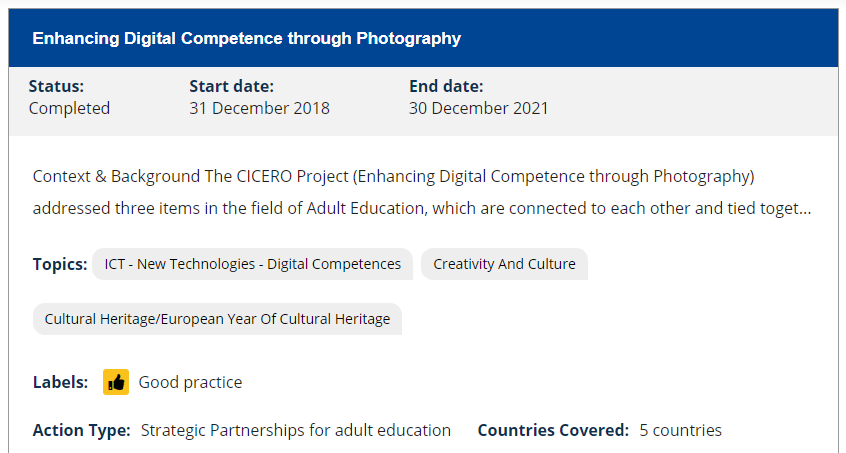
The project was closed and evaluated by the Swedish National Agency. We are proud to be awarded with the label for “Good Practice”! Starting to learn certain competencies through an activity that is performed frequently and that is familiar to the user seems to be an excellent way to start the learning process. We publish the screenshot of the projects’ database of the European commission here – but you can read the original following the link to the database.

The idea of using digital photography to envoy digital competencies was evaluated as innovative – and in fact, it is! This approach might be used in other contexts in Adult Education as well.
Project evaluated – here are some highlights
- The team represents an appropriate mix of expertise, profile, and experiences to be able to achieve what was stated in the application.
- The documentation from the meetings indicates engagement among the partners and their active and distributed contributions according to their competencies.
- Given the more generic course structure and distinct open-access license, it has great potential to be applied in other educational contexts and also to enable synergies. The project can be assessed as innovative, in particular since it contributes to new practices and is underpinned by a transparent and detailed methodology.
- The website offers lots of support and guidance for the course activities. These are written to easily be able to transfer to other contexts and to target other groups, which are demonstrated with concrete examples in the transferability and evaluation guide.
Background of this idea
Digital photography can be the engine to motivate people to care about basic digital competencies. This will cover the creation of images (a creative work), the processing of images (a technical endeavor), the storage and administration of images (needs digital competencies), and the use of the created images, for instance in social media (needs digital competences as well as basic legal knowledge).
Finally, digital photography enlarges social contacts (for instance in special interest groups), keeps elderly people active (both in a physical and mental sense), and contributes in numerous instances to promoting cultural heritage
All about images!
The CICERO course used digital photography to convey digital competences. Therefore, images are a central issue. To put it better, one could say: All about images. You have to see this short statement in two ways: On the one hand, the course actually offers a lot of information about images, on the other hand, working with images is used to impart knowledge and skills in the field of digital skills.
Image knowledge and skills
This area of the CICERO course focuses on image composition and proper use of all types of cameras.
The term cameras addresses – in the context of the course – smart phone cameras as well as DLSR and similar cameras.
Digital competences
This part of the course addresses the knowledge area and skills in the field of digital competences. The consortium orientated itself on the DigComp 2.0 framework and integrated essential content from this framework into the course.
In this project, hundreds of people from Austria, Greece, Portugal, and Spain participated in these courses. They created hundreds of pictures during the learning process. These images have been peer-evaluated, discussed, published in a joint facebook group and used for further work.
You can find the gallery with many of these images here: Course Image Gallery
The photo contest

Screenshot of the contest web page
The course participants were able to take part in a photo contest, the prizes for the best photos were 4 tablets. This competition served as an incentive to deal with the learning material and to achieve the desired learning goals.
More than 120 images were submitted to the contest. The winner was determined by a jury.

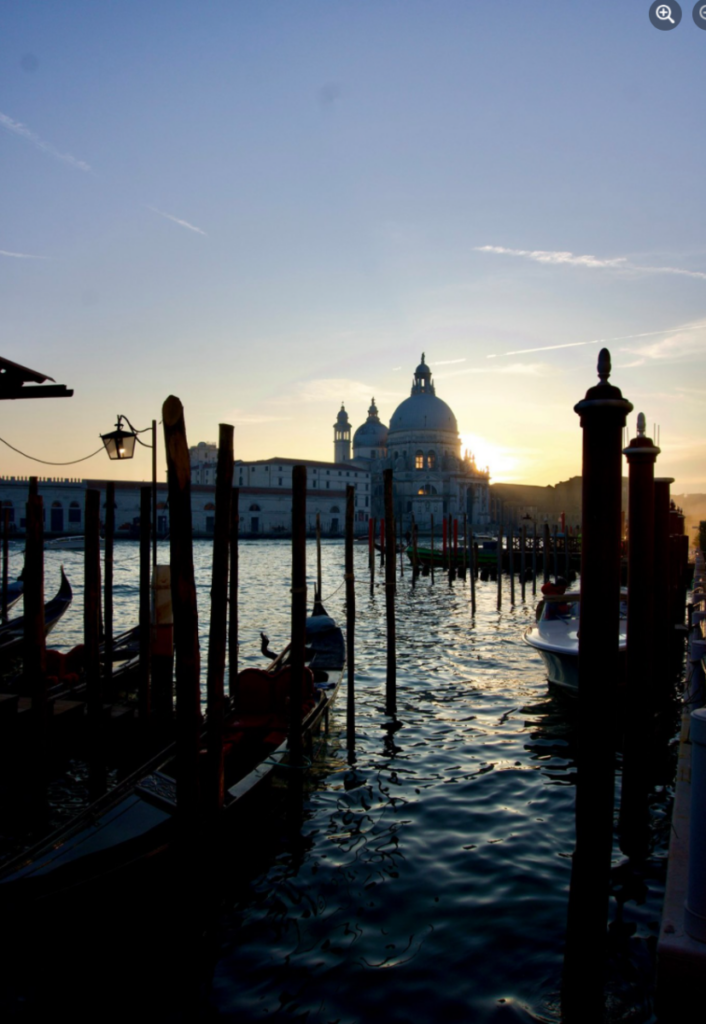
The first prize, awarded by the jury
Course teaching digital competencies
The CICERO web-based course focuses on digital competencies, with a specific emphasis on digital photography. Digital competencies are necessary to master the daily life. People are used to take pictures, supported by their smartphone. The CICERO course joins these two item: Digital photography is the entrance to care about connected digital competencies.

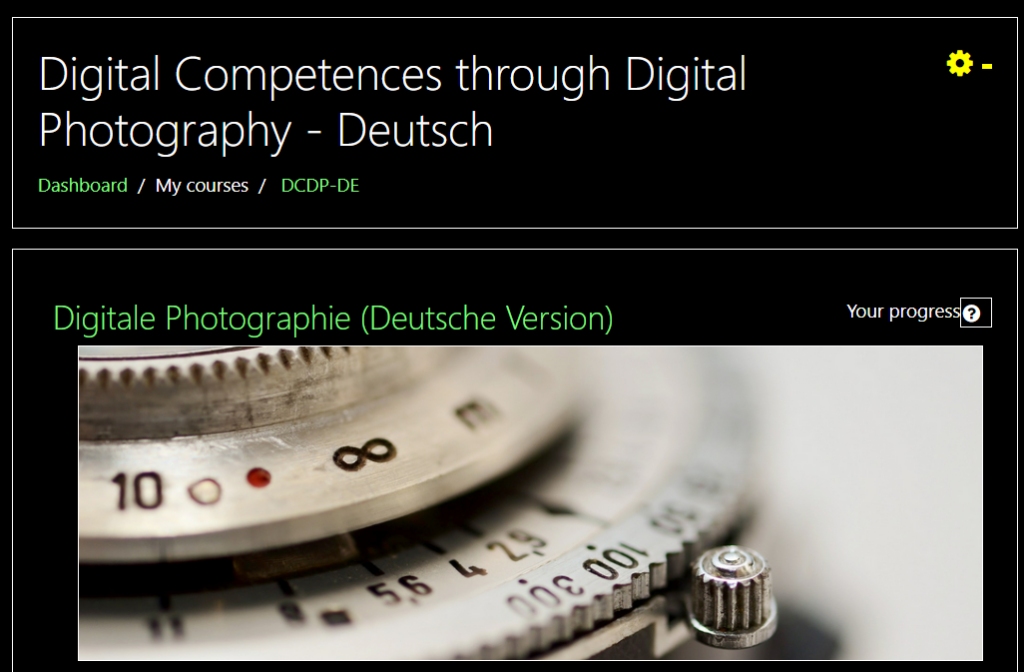
Screenshot of the CICERO course, German Edition (from the project’s Moodle server)
About the course and its use
The course he’s been developed under a Creative Commons 4.0 Licence (CC BY-NC-SA 4.0). This enables European course providers to use the content in manifold way:
- Take the course (and all the content) as it is. The course is available as a Moodle download file and can be uploaded and implemented to other Moodle servers
- Select specific course modules and build on them, creating a new course tailored to your audience.
- Transfer course material to other fields of education.
In the frame of the project, the consortium offers a transferability guide with special instructions to use the course in School Education or inAdult Education. Several examples (in the form of pilot courses) and detailed descriptions in the transferability guide will support you in the implementation.
Additional information to the course
The course has been developed by the project team. These are two Adult Education and training organisations (from Austria and Greece) a training organisation (from Spain) and a company focusing on Adult Education as well as on Vocational Education (from Portugal). The supervision of the course development has been done by the Department of Computer and Systems Sciences (DSV) of the Stockholm University.
The course material
The consortium members use some additional tools for the content creation. Besides the inbuilt, typical Moodle tools the developers have taken the H5P Framework (implemented as a Moodle Plugin). Additionally, the content creators also resorted to eXe-Learning and developed some learning units using this tool.
To ensure the transferability to other educational fields as well as to other languages, the course in English language is available with all necessary items. The transferability guide offers the necessary descriptions to enable the problemless translations.
The course material is also available (for demonstration reasons) in Spanish, German, and Portoguese Language.
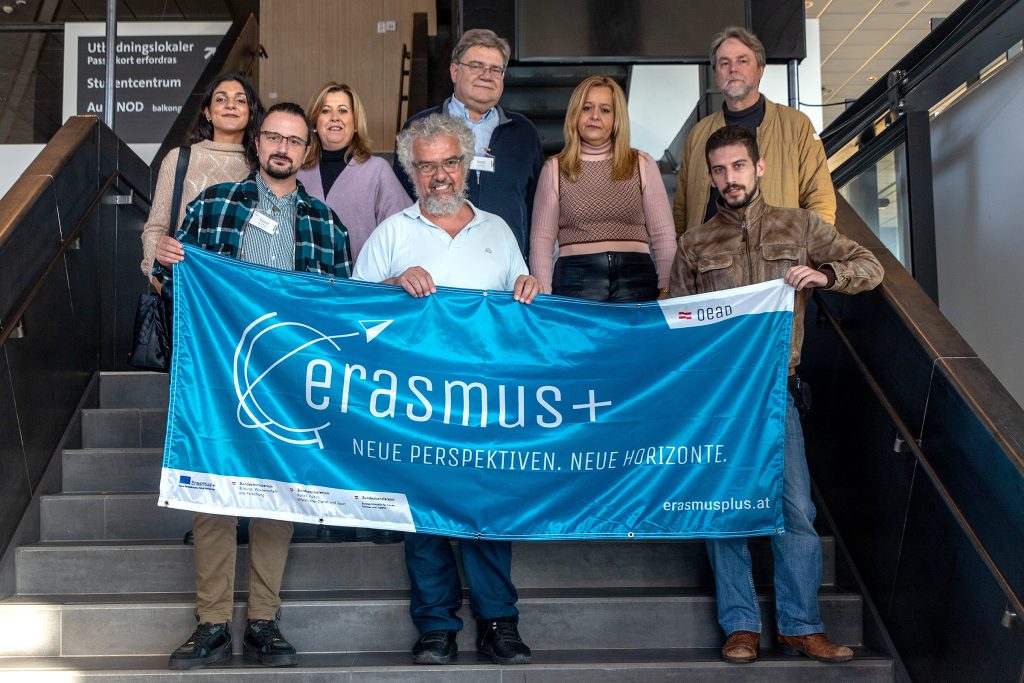
Final Project Meeting Stockholm
The final meeting of the project took part in Stockholm at the Department of Computer and Systems Sciences (DSV) from October 29th – 30th. Fortunately, people from all partners could take part in this meeting. The team used this opportunity to have a final face-to-face discussion and to deepen the connection between the participating people.
The meeting covered open issues for the final version of the project outcomes, as well as the correct project closing. The development of the project has been evaluated:
- The developed Moodle-based course will be available as an Open Educational Resource (OER, in the English language)
- The photo contest could collect pictures for the “European Cultural heritage Database“
- The database is currently filled with images (also an OER source)
This final event showed that – even in times with COVID-19) a good partnership could be realized based on friendship and good connections between the acting people.

The project team at the University of Stockholm
Intermediate Project Meeting Málaga
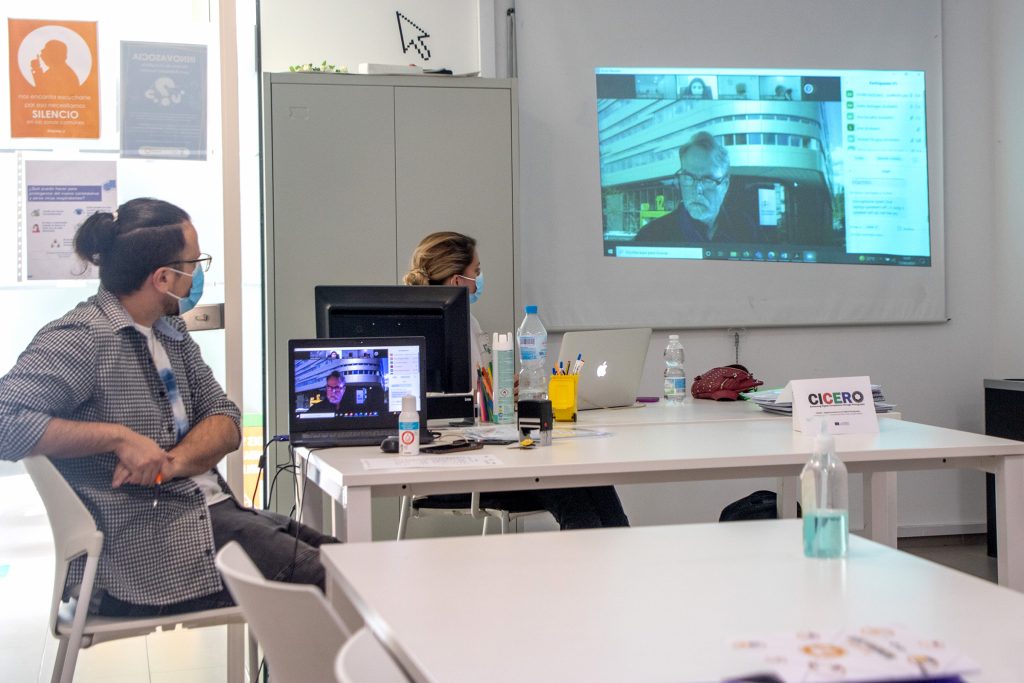
The intermediate project meeting took part in Málaga in the rooms of the Spanish partner ARRABAL AID (in June 2021). Due to COVID-19 restrictions only the host ARABAL, EDRASE (from Greece), and EBI (Austria) could take part on-site, ProAndi and the University of Stockholm could not send people to attend this meeting.
The meeting focused on the current development and progress of the project, the photo contest, and the connected organizational issues. The planning of the project closing and the connected office work was an issue as well.
The development of the database with images presenting the “European Cultural Heritage” was on the topic list. An intensive discussion about the final version of the Transferability and Evaluation Guide led to the necessary decisions of this Intellectual Output.
More information about this meeting is available from the webpage of the project.You will find also some more pictures of the meeting.

The World Economic Forum warns!
We must reset the way we teach science; it is vital for all our future life.
By: Ms Akrivi Anagnostaki
Few months ago, Marga Gual Soler,Founder of SciDipGLOBAL, molecular biologist, advisor to the EU Science Diplomacy Cluster,& Komal Dadlani,Biochemist and ed-tech entrepreneur, CEO/Co-founder at Lab4U wrote the Young Global Leaders Annual Summit, which was presented in Dalian, China for its 16th Annual Summit, the Forum of Young Global Leaders.
The following article is a part of the Young Global Leaders Annual Summit.
In this article, the scientists pointed out that:
- COVID-19 has forced big changes in the way lessons are delivered.
- Education worldwide needs an even more radical rethink.
- Science, technology, engineering and maths are crucial to our future.
It is a fact that COVID-19 has forced more than 1 billion students and youth out of school, triggering the world’s biggest educational technology (edtech) implementation in history, almost overnight. Nowadays, schools and universities are scrambling to redesign their teaching and learning to allow for students of all ages to study from home. While this raises huge practical and logistic issues for students, teachers and parents (especially women), it opens up a world of opportunities to reimagine what learning looks like in the 21st century.
They claim that the pressure that individuals, organisations and societies face in this crisis is accelerating the Fourth Industrial Revolution, blurring the boundaries among the physical, digital and biological worlds.
During this crisis, a new question arises in all countries:
Are our educational systems preparing students for a world driven by disruptive scientific and technological advances in artificial intelligence, robotics, biotechnology, clean energy, or quantum computing? Are we encouraging students to think critically about how science, technology and innovation can help address – or aggravate – economic, geopolitical, environmental or societal challenges?
Find more in the article at : https://www.weforum.org/agenda/2020/08/science-education-reset-stem-technology/?fbclid=IwAR331S0JXmkPBuvjVoe-Ovb4rDuKH4xOgVUg_6niYPmQ0GVdikhybY8lzMA
European Cultural Heritage
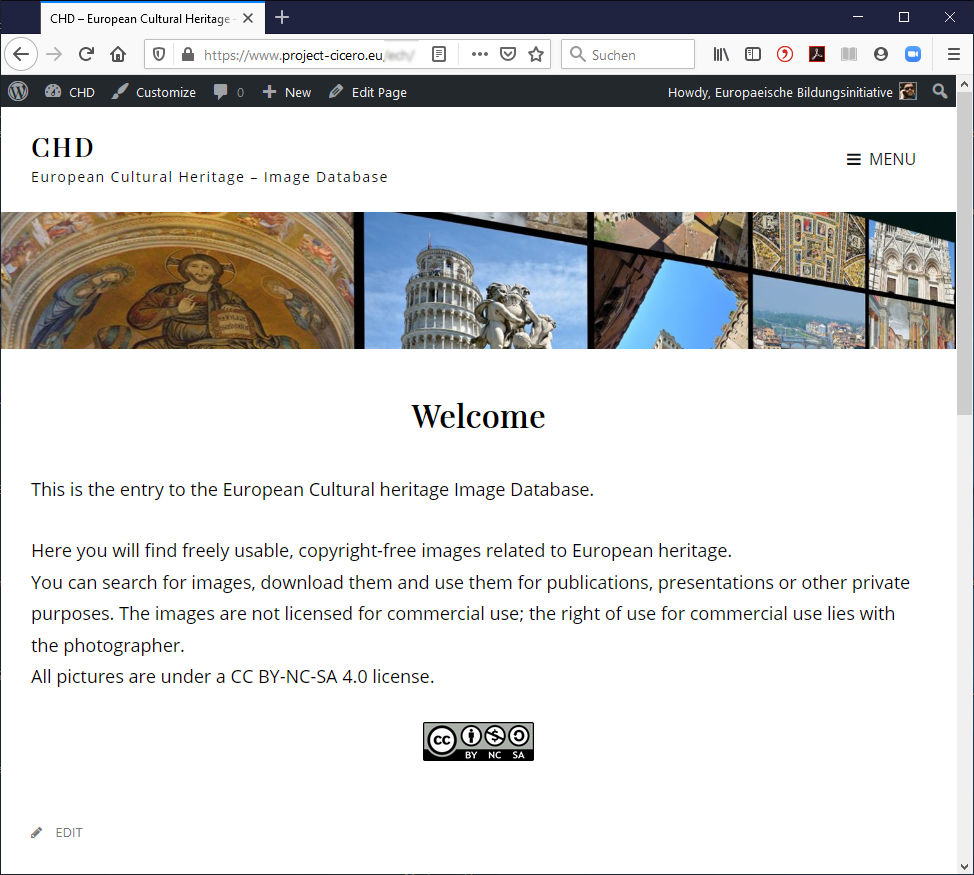
This is the first screen shot of the webpage hosting the database of the “European Cultural Heritage Image Database”.
This Database is an outcome of the CICERO project and will offer CC-4.0 licensed pictures of typical European Heritage. The images are free to use (except for commercial use) and will cover various topics representing the treasure of European Culture.
The European Commission describes European Cultural Heritage as
“… a rich and diverse mosaic of cultural and creative expressions, an inheritance from previous generations of Europeans and a legacy for those to come.
It includes natural, built and archaeological sites, museums, monuments, artworks, historic cities, literary, musical and audiovisual works, and the knowledge, practices and traditions of European citizens.
Cultural heritage enriches the individual lives of citizens, is a driving force for the cultural and creative sectors, and plays a role in creating and enhancing Europe’s social capital. It is also an important resource for economic growth, employment and social cohesion, offering the potential to revitalise urban and rural areas and promote sustainable tourism.”
Images for this database are taken from the upcoming photo contest that will take place in the frame of the project as well.
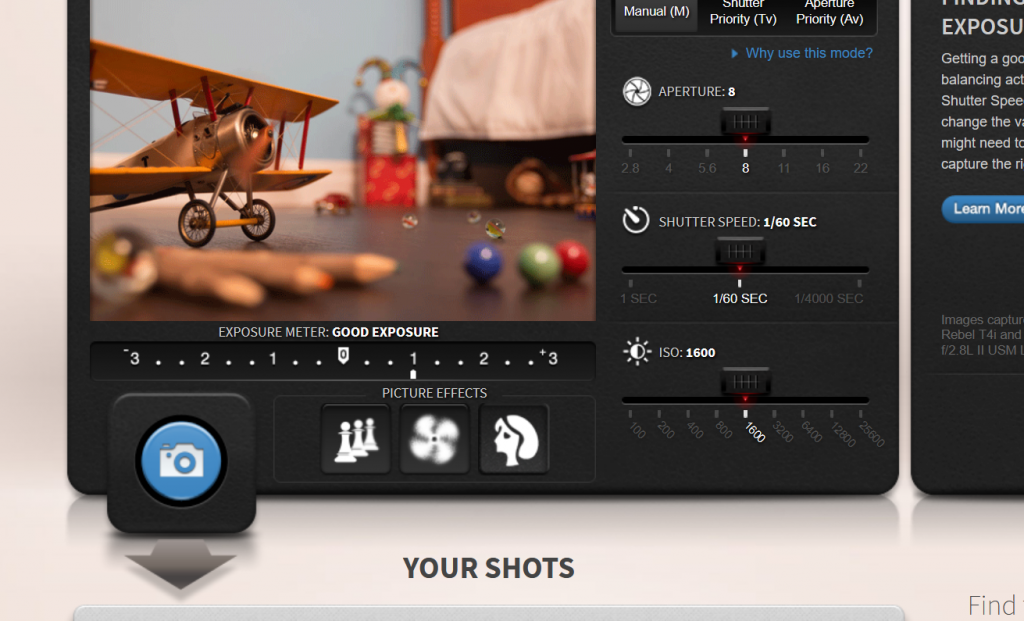
How can you learn to use camera without camera? Try the camera simulator tool
When we begin to learn photography, we use to struggle with the parameters that define the exposure of a photograph works.
These parameters, as we see in the CICERO courses, are aperture, shutter speed and ISO.
Quick resume: aperture = amount of light; shutter speed = time of exposure; ISO = sensor/film sensitivity.
The best way to master these parameters is through practice. Take your camera, select the manual mode and try to modify them to see how they affects to your picture (you may take the shoot to see it). Sometimes taking a look to our camera’s instructions is a great way to understand our device.
But, what if we don’t have a camera which let us to modify these values? How can we get familiar with them? There are some free tools that, although they are not going to provide us the experience of taking pictures, they will make it easier to understand how photography works (or how these parameters work).
This is possible thanks to some “photography simulators”. Here we show you a free simulator from Canon that let us to “experiment” with aperture, shutter speed and ISO values, revealing to us (after clicking on the “virtual shoot” button) the picture result of the values we decided.
LET’S TRY: http://www.canonoutsideofauto.ca/play/
European Cultural Heritage
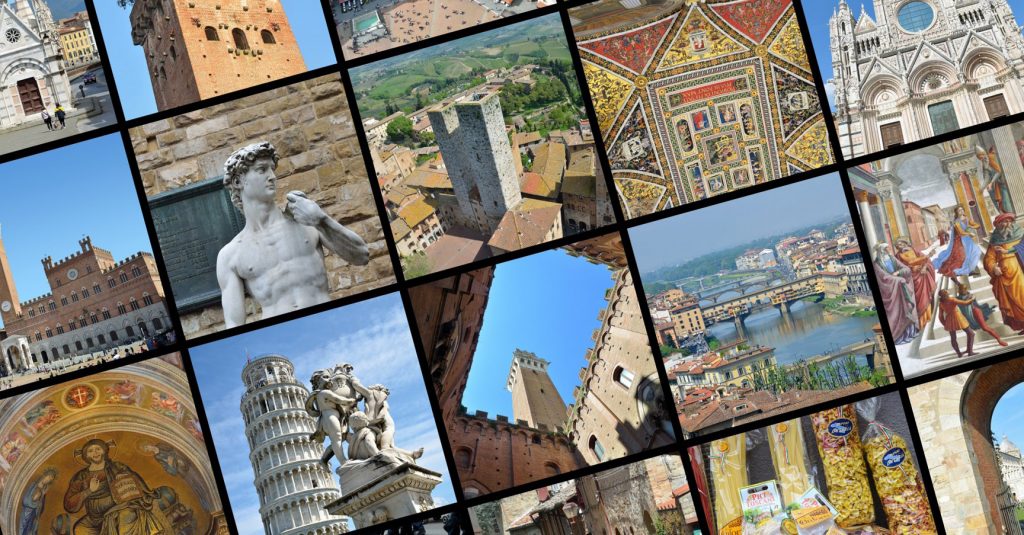
European cultural heritage is a rich and diverse puzzle of inheritance from previous generations or Europeans and a bequest for further generations. There are treasures of architecture as well as archaeological sites, there exists great museums with big collections of artworks, historical sites dated back for 5000 years tell stories of former life and natural monuments inspire naturliebhaber. Musical and audiovisual work may be mentioned as well as the knowledge, practices and traditions of European citizens.

In frame of the project the project group organizes a photo competition on the theme of “European Cultural Heritage” with an emphasis on architecture, customs and food.
The details will be announced here at the beginning of January.